
Working in Estonia attract international professionals who want to work abroad in a digital-first European country with a growing tech sector, a low bureaucracy burden and a high quality of life. Estonia offers a modern business environment, competitive salaries in tech and strong demand for international talent.
Estonia has developed into one of Europe’s leading digital economies, with most international job opportunities concentrated in Tallinn and Tartu. English is widely used in international companies, especially in IT, startups and shared service centers.
If your goal is to relocate for work, build international experience and enjoy life in one of Europe’s most innovative countries, Estonia can be an attractive and accessible option.
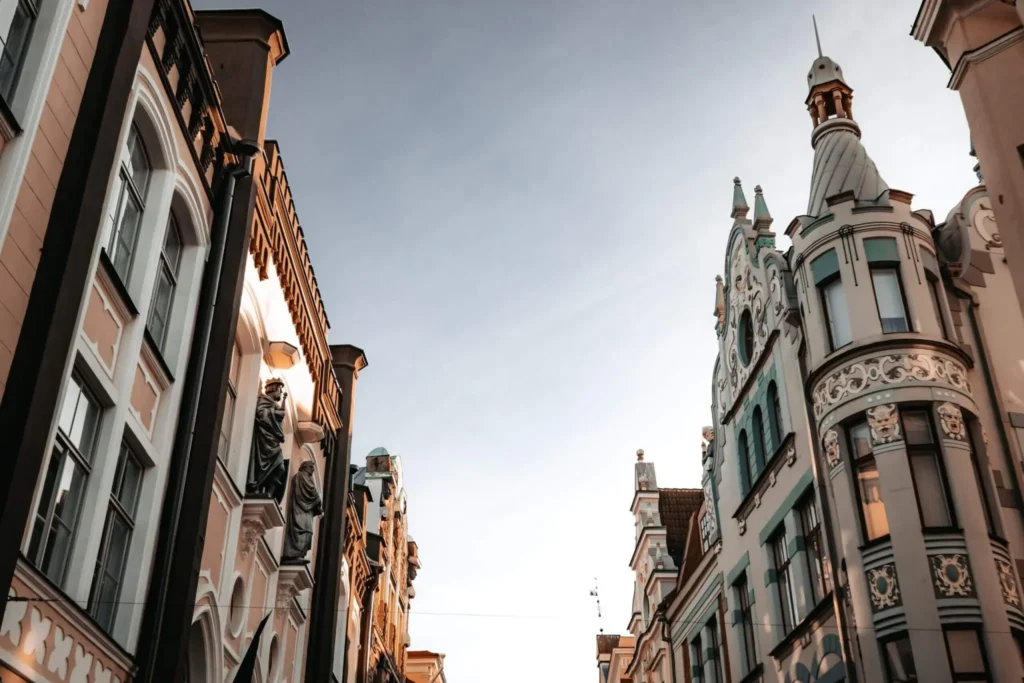
Working in Estonia and the job market
The Estonian job market is small but dynamic, with strong demand in technology, digital services and international business operations.
Most international job opportunities are concentrated in:
- Tallinn
- Tartu
Hiring demand is especially high in:
- IT and software development
- cybersecurity and data analytics
- startups and fintech
- shared service centers and BPO
- digital marketing
- customer support for international markets
Many international companies operate tech hubs and service centers in Estonia, hiring multilingual staff to serve European and global customers. English is often the main working language in these roles, and additional European languages are a major advantage.
Candidates with technical skills, international experience and flexibility usually have the best chances of finding work quickly.

Common jobs for internationals in Estonia
International candidates in Estonia often find work in roles where technical expertise, language skills or experience in international environments are valuable.
Some of the most common jobs include:
- software developers and IT specialists
- data analysts and cybersecurity professionals
- product managers and UX designers
- customer support agents for international markets
- digital marketing specialists
- sales representatives and account managers
Many entry-level customer support jobs are accessible without prior experience, especially when you speak one or more major European languages. Tech and specialist roles usually require stronger experience but offer higher salaries and better long-term career prospects.
Salaries in Estonia – what can you earn?
Salaries in Estonia are competitive within the Baltic region and attractive for tech professionals. Living costs are lower than in Western Europe but higher than in some Eastern European countries.
Typical gross monthly salary ranges include:
- Customer service / support: €1,200–€1,700
- Sales / business development: €1,600–€2,400
- IT / software development: €2,500–€4,500+
- Data / cybersecurity: €2,800–€5,000+
- Digital marketing: €1,800–€2,800
Many employers also offer benefits such as:
- flexible working hours
- remote or hybrid work options
- private health insurance
- stock options (especially in startups)
- relocation packages for international hires
Lower daily expenses help offset the lower salary levels compared to Western Europe.
How hiring works for internationals in Estonia
Most international hiring in Estonia happens through:
- tech startups and scaleups
- multinational companies with digital hubs
- recruitment agencies focused on skilled talent
For many roles, especially in IT, startups and customer support, companies are open to candidates who apply from abroad and relocate after receiving a job offer.
Typical hiring steps include:
- online application and CV screening
- one or more video interviews
- technical or skills tests (for some roles)
- a written job offer and employment contract
Relocation support is common for international hires and may include help with housing, registration, tax setup or initial living costs.
Taxes and working conditions in Estonia
Estonia has regulated working hours, paid annual leave and clear employment contracts. Working conditions are generally good, especially in international and tech companies.
Estonia uses a flat personal income tax rate of 20%. Social security contributions are deducted from wages and fund public healthcare and pensions.
Official tax information is provided by the Estonian Tax and Customs Board:
https://www.emta.ee

Moving to Estonia for work
EU and EEA citizens can live and work in Estonia without a work permit. Non-EU citizens usually need a residence and work permit depending on nationality and job offer.
Official residence and work permit information is provided by the Estonian Police and Border Guard Board:
https://www.politsei.ee
If you stay long term, you must register your address and obtain a personal identification code, which is required for employment, taxes, banking and access to public services.
General government services and registration guidance are available via the Estonian government portal:
https://www.eesti.ee
Housing in Estonia
Housing in Estonia is relatively affordable compared to Western Europe. Rent is highest in Tallinn and popular central districts.
Many newcomers start with short-term accommodation before securing long-term housing.
Monthly rent for a one-bedroom apartment typically starts around €600–€1,000 in Tallinn and less in smaller cities. Deposits of one to two months’ rent are common.
Living and working in Estonia
Estonia offers a high quality of life, clean cities and a strong digital infrastructure.
Many expats value the efficient public services, safe environment and access to nature.
The country has a modern startup culture and a relaxed lifestyle.
Getting around Estonia
Public transport is reliable and affordable in major cities.
Tallinn offers free public transport for registered residents.
Intercity buses and trains connect cities and regions.

Pros and cons of working in Estonia
Pros
- strong tech and startup ecosystem
- digital-first government and low bureaucracy
- competitive tech salaries
- English widely used at work
- high quality of life
Cons
- small job market
- cold winters
- limited career progression outside tech
- higher living costs in Tallinn
FAQ – jobs in Estonia
Is it easy to find jobs in Estonia?
It can be, especially in IT, startups and customer support.
Do I need to speak Estonian?
Not always. English is enough for many international jobs. Estonian is useful for daily life and long-term integration.
Do I need a work permit?
EU/EEA citizens do not. Non-EU citizens usually need a permit.
Is Estonia expensive?
Moderately. Living costs are lower than Western Europe but higher than in some Eastern European countries.
Summary – is Estonia right for you?
Estonia is a strong choice if you want international work experience, a modern digital society and strong career opportunities in tech. While the job market is small and winters are cold, the country offers excellent quality of life and a business-friendly environment for international professionals.
If you want to compare destinations, you can read more about jobs abroad.
Ready to take the next step? Go directly to job search and explore current opportunities.